How to Maximize Alumni Donations for Student Support
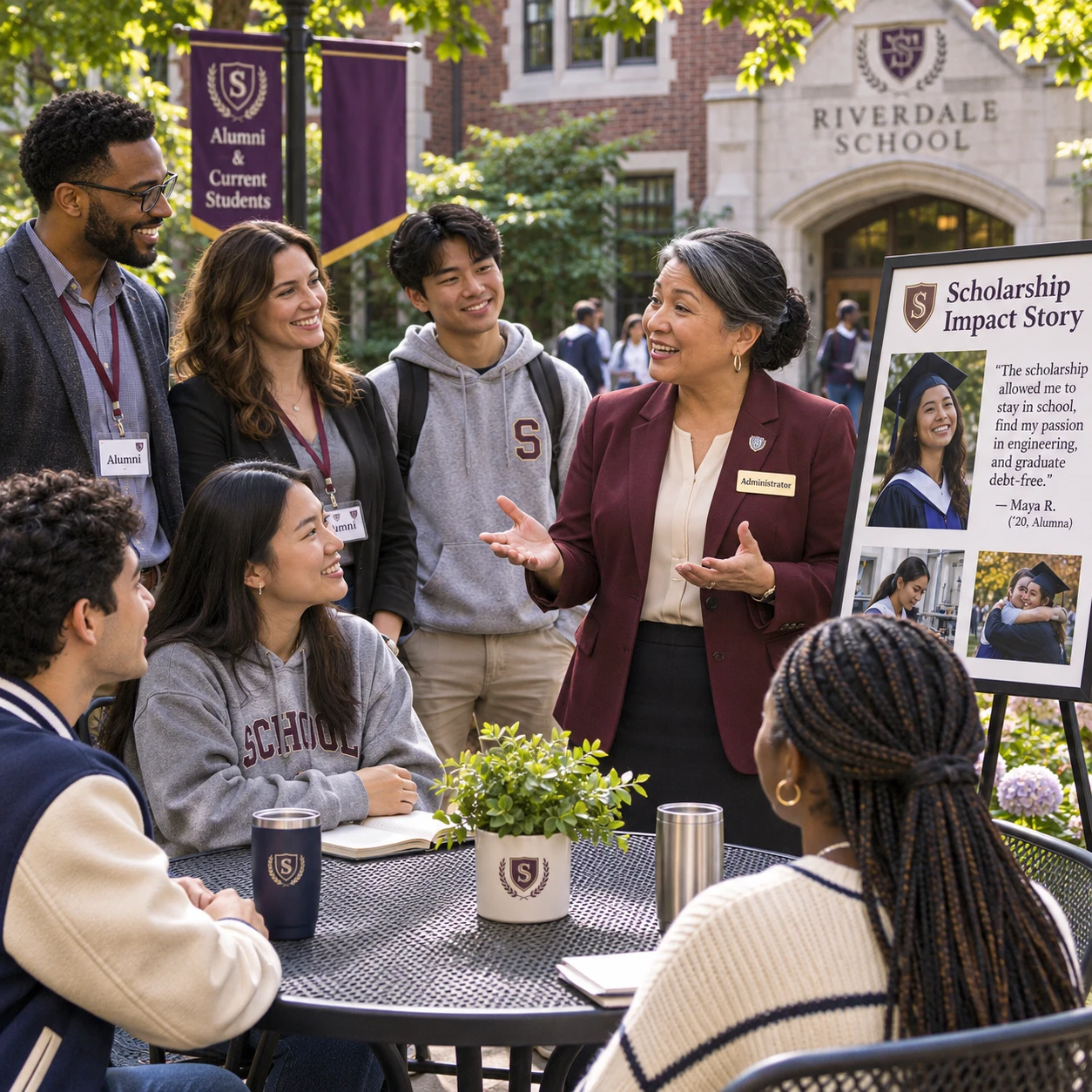
Alumni donations can help students overcome financial barriers, access learning resources, and stay engaged in school. For school administrators, the challenge is to make those needs clear, offer a simple way to give, and show alumni what their support makes possible.
Lasting alumni giving grows from a relationship, not a single fundraising appeal. A thoughtful approach connects student priorities to donor interests, makes participation convenient, and follows each gift with honest updates.
Start with the student needs alumni can help address
To increase alumni support, identify specific student needs and explain how donations can address them. Clear priorities such as student scholarships, emergency student aid, and learning resources give alumni a concrete reason to participate.
Start by asking students, counselors, teachers, and financial aid staff where a modest gift could remove a real barrier. A student may need help covering transportation, course materials, technology, or an unexpected expense that puts attendance at risk. Avoid assuming which needs matter most; gather evidence through confidential conversations and existing student-support data.
Then choose a small number of priorities for the fundraising campaign. For each one, state:
- Who benefits: Describe the students the fund is designed to support.
- What the gift supports: Explain the eligible costs or services in plain language.
- How decisions are made: Summarize the selection or aid process while protecting student privacy.
For example, a school might invite alumni to support a flexible emergency aid fund for students facing sudden, short-term costs. That can be more useful than restricting every dollar to one expense, though the school should explain how it will oversee and report spending. Specificity creates confidence; honest limits keep the promise credible.
Make giving opportunities concrete and accessible
Make alumni giving easy by offering a few clear donation choices and a straightforward giving page. Alumni should be able to understand the options, complete a gift without unnecessary steps, and see how their contribution will be used.
Present a focused menu rather than a long list of funds. For example, let donors choose student scholarships, emergency student aid, or classroom and learning resources. Where suitable, describe what different gift amounts may help fund, but do not promise a precise outcome unless the school can reliably deliver it.
A useful giving page answers practical questions before donors have to ask:
- What student need does each fund address?
- Can a donor make a one-time or recurring gift?
- Are gifts restricted to a specific purpose, and what happens if that fund is fully supported?
- How can alumni give by mobile, card, or another available method?
- Who can answer questions about a gift or receipt?
Test the giving process on a phone as well as a computer. Keep forms brief, use clear labels, and explain recurring donations before a donor selects that option. A simple process reduces friction, but convenience alone will not build trust; the description of the student need and the follow-up matter just as much.
Segment and personalize alumni outreach
Personalize alumni outreach by matching the message, student-support priority, and communication channel to each audience. Relevant communication respects alumni’s connection to the school and is more useful than sending every graduate the same appeal.
School administration teams can segment contacts using information they already hold responsibly, such as graduation year, past involvement, stated interests, and preferred communication method. An alumnus who has volunteered with a mentoring program may respond to a student-access story, while a former scholarship recipient may connect with scholarship support. These are starting points, not assumptions about an individual’s capacity or willingness to give.
Build a short sequence around the campaign rather than relying on one urgent message. A practical sequence might include an opening note explaining the need, a student-centered update, a reminder near the campaign close, and a thank-you after the appeal. Offer alumni who do not wish to receive fundraising emails a clear way to adjust their preferences.
Use a warm, specific voice. Name the student challenge, explain why it matters now, and invite participation without guilt or pressure. Track which messages generate responses and gifts, but interpret results carefully: a low response could reflect timing, an outdated contact record, or a mismatch in channel, not a lack of concern for students.
Build engagement beyond the ask
Build stronger alumni engagement by giving graduates meaningful ways to connect with students and the school community throughout the year. Mentoring, career conversations, campus events, and student showcases can deepen relationships before and after an annual giving appeal.
Choose activities that fit alumni interests and the school’s capacity. A short virtual career Q&A may be easier to sustain than a large networking event. A scholarship recipient panel can help alumni hear directly how support affects student opportunities, provided students choose whether to participate and are not asked to disclose private financial details.
Keep participation open to alumni who cannot or do not want to donate. That approach recognizes that engagement can include time, advice, introductions, or simply staying connected. It also prevents the school from making every relationship feel transactional.
One useful planning test is to ask whether an activity offers value to both sides: Does the student gain a resource or connection? Does the alumnus gain a genuine way to contribute to the community? If either answer is no, redesign the activity before promoting it.
Strengthen trust through transparent stewardship
Strong donor stewardship shows alumni how gifts were used, what students gained, and what the school still needs to address. Timely, accurate impact reporting encourages confidence and gives donors a reason to remain connected to student support.
Set expectations when a donation is made. Explain whether a gift is restricted, when the school expects to provide an update, and how it will report any unspent funds or changes in need. After the campaign, share a concise account of funds raised, the categories supported, and the number of students reached when those figures can be verified.
Combine numbers with a human example, always with appropriate consent. For instance, report that emergency aid helped students manage eligible short-term costs, then include an anonymized account of how timely assistance helped one student remain engaged in classes. Do not imply that a donation alone caused a particular academic outcome unless the school has evidence for that claim.
Useful stewardship can include:
- A prompt thank-you and gift acknowledgment.
- A campaign update with progress against stated priorities.
- An annual summary of allocations and student reach.
- A clear contact for questions, corrections, or giving preferences.
Transparency also means sharing limitations. If demand exceeds available funds, say so and explain how the school prioritizes requests. Trust depends on reporting the full picture, not only the most uplifting story.
Evaluate and improve fundraising efforts
Evaluate alumni fundraising by reviewing giving, participation, donor feedback, and campaign performance together. These measures help school administrators improve future outreach without treating one year’s results as a guarantee of what comes next.
Before launching a campaign, record a baseline and define what success means for its purpose. Track metrics such as the number of alumni who give, first-time and repeat donors, recurring gifts, average donation, giving-page completion, and funds directed to each student-support priority. Consider whether results differ by outreach channel or audience segment, while protecting donor privacy.
Numbers need context. A campaign that raises less than expected may still bring in many first-time donors or reveal strong interest in a particular student need. Conversely, a large gift from a small number of alumni may meet a short-term target but leave the school exposed if those donors do not return. Review participation and donor retention alongside the total raised.
After each campaign, ask a few donors and non-donors for feedback: Was the purpose clear? Was giving easy? Did the follow-up answer their questions? Use the answers to adjust fund descriptions, timing, and communication. Keep what works, test one or two changes at a time, and report back to alumni on how their input shaped the next effort.
Frequently asked questions
Which student support needs should an alumni campaign prioritize?
Prioritize needs identified by students and school staff, such as scholarships, emergency aid, or learning resources. Choose needs the school can explain clearly, administer fairly, and report on responsibly.
How can schools encourage repeat alumni donations?
Thank donors promptly, keep them informed about outcomes, and offer relevant ways to stay involved. Make recurring gifts available, but present them as an option rather than pressuring alumni to commit.
How should schools communicate the impact of donations?
Share verified figures about allocations and students reached, along with consent-based stories that illustrate the need. Explain delays, unmet demand, and changes in use when they occur.
What makes an alumni giving page effective?
An effective giving page explains each student-support fund, offers clear one-time and recurring options, works well on mobile, and uses a brief, accessible form. It also states how donors can get help and what happens if a fund’s needs change.